STARSS
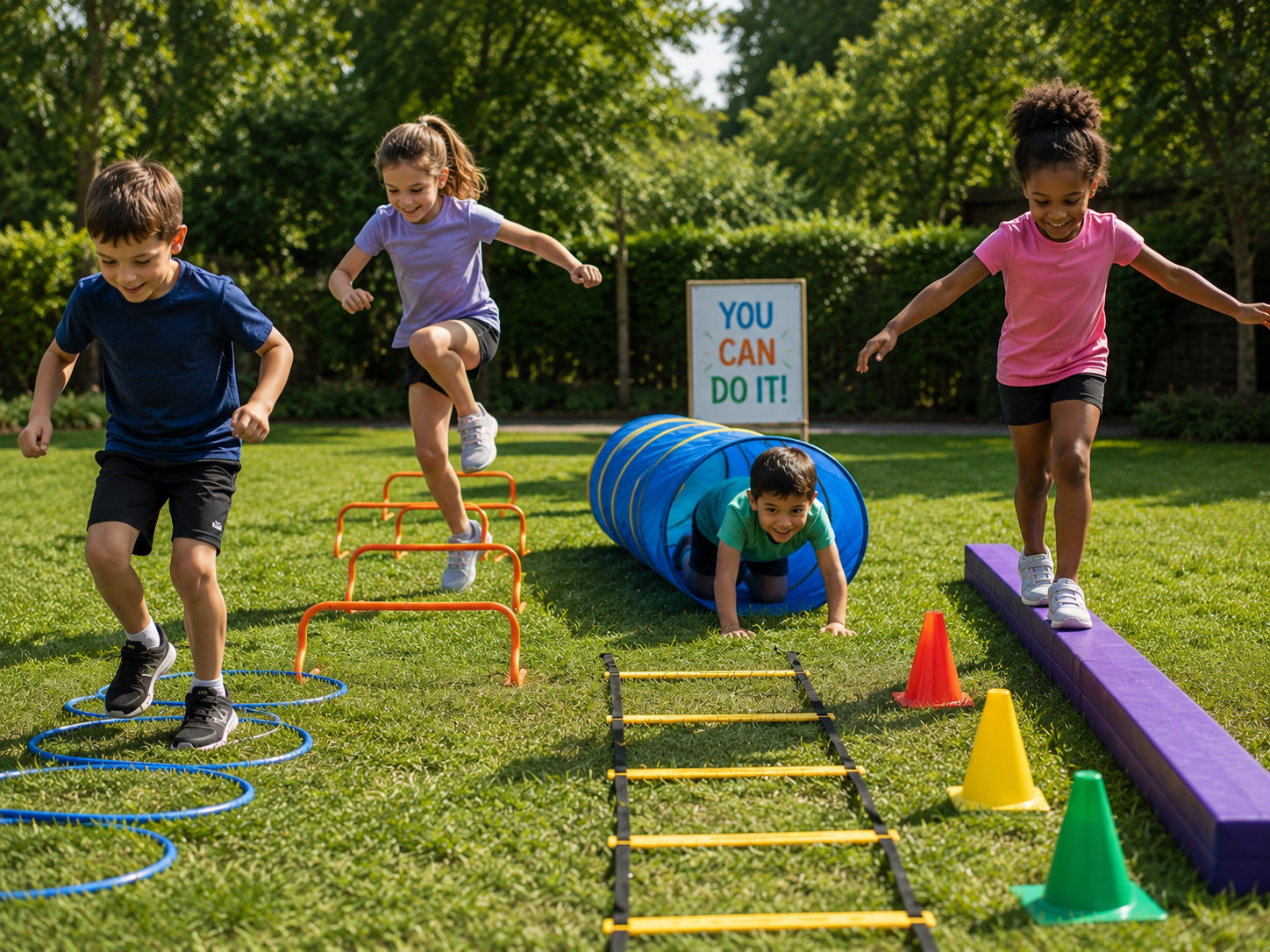
Speaking Thinking & Acting in Real Social Situations
Speaking, Thinking & Acting in Real Social Situations
STARSS is a small-group social language program for children ages 5–12, designed to strengthen the communication and social skills needed to navigate everyday interactions and build meaningful relationships.
Small Groups. Individualized Attention.
With a maximum of just six children per group, STARSS provides opportunities for individualized support, active participation, and meaningful interaction with peers. Groups are led by ASHA-certified speech-language pathologists.
Who Can Participate?
We welcome children with a range of social communication needs, including challenges with social interaction, auditory processing, social anxiety, and expressive language.
Skills We Build
Perspective-taking and social thinking
Initiating conversations and joining groups
Conversational turn-taking and listening
Problem-solving and teamwork
Giving and receiving compliments
Collaborating on shared projects
How We Learn
Through games, stories, sports, crafts, videos, role-playing, apps, and activities incorporating the Superflex curriculum, children practice social skills in interactive ways.
Some sessions also include neighborhood outings to a local playground or shop, giving children opportunities to practice and generalize their skills in real-world settings.This social language skills group, for children ages 5-12, builds upon language and social skills that help children navigate our social world.
We welcome participants who have been identified with having, but not limited to, social communication difficulties, auditory processing disorders, social anxiety, and/or expressive language challenges. Groups are limited to 6 students.
Groups are led by an ASHA Certified Speech-Language Pathologists.
Young Adult Supper Club
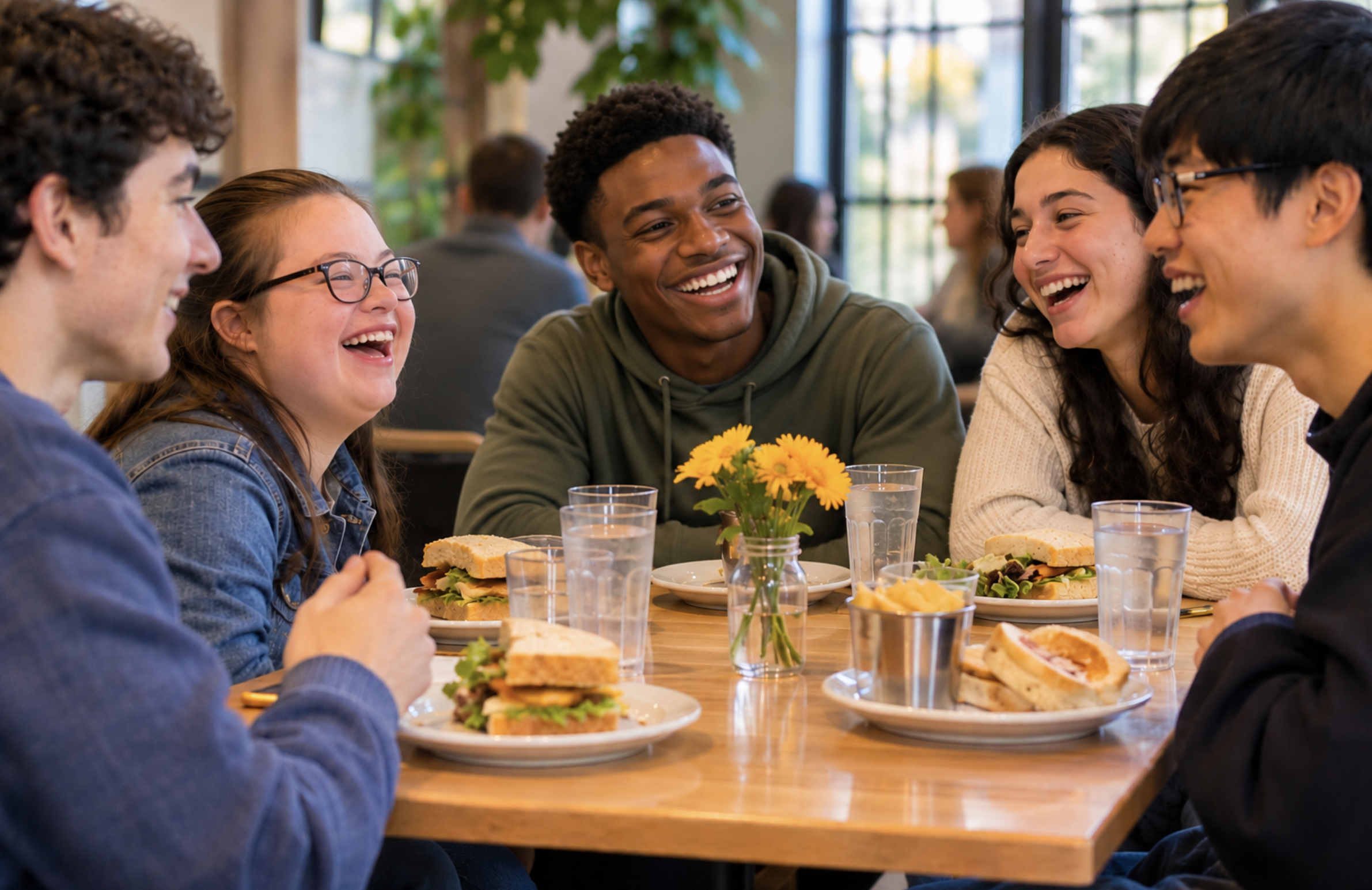
Good food. Great conversations. Meaningful connections.
The Young Adult Supper Club provides a relaxed, supportive setting for young adults to build friendships, strengthen social communication skills, and gain confidence in social and dining situations.
Through shared meals and real-world experiences, participants practice:
Starting, maintaining, and joining conversations
Asking questions, listening, and showing interest in others
Reading social cues and navigating group interactions
Table manners and dining etiquette
Ordering from a menu and interacting with restaurant staff
Building friendships and developing social confidence
Increasing independence and comfort in social settings
More than a meal, it's an opportunity to connect, practice, and build lasting friendships.
New